
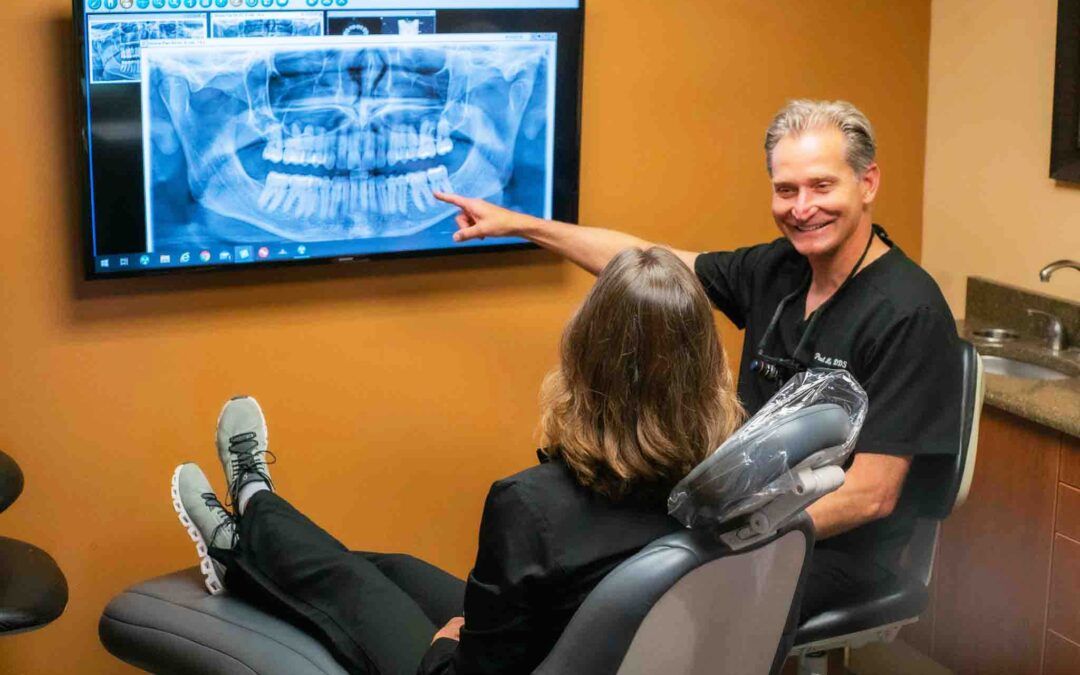
A natural-looking smile makeover creates harmony between the teeth, gums, lips, and overall facial features.
While many patients seek cosmetic dentistry to enhance their smile, a common concern remains the same: avoiding results that look artificial. The difference between a natural and unnatural outcome often comes down to the level of planning involved.
What is AACD-level smile design, and why does it matter?
AACD-level smile design refers to a higher standard of cosmetic dentistry guided by the principles of the American Academy of Cosmetic Dentistry (AACD). These standards focus on achieving results that are both aesthetically pleasing and functionally sound.
Rather than relying on general cosmetic techniques, AACD-trained dentists follow a structured approach that evaluates how each element of the smile works together. This includes the relationship between the teeth, gums, lips, and overall facial proportions.
Dr. Paul Mundl is the only AACD-accredited cosmetic dentist in Temecula, CA. This distinction reflects advanced training, clinical skill, and a commitment to detailed smile design, which supports more precise and natural-looking results.
What sets AACD-level planning apart?
- Comprehensive analysis of facial structure, symmetry, and smile dynamics
- Attention to proportion and balance, not just alignment or color
- Use of advanced techniques and materials for lifelike results
- Commitment to continuing education and refined cosmetic skills
This level of planning helps ensure that the final result looks natural in both static and dynamic expressions, such as speaking or smiling.
Why it matters for smile makeovers
Smile makeovers involve multiple treatments, which may include veneers, crowns, whitening, or orthodontics. Without a clear plan, these treatments can produce inconsistent or unnatural results.
AACD-level planning provides a roadmap. It allows your dentist to:
- Visualize the final outcome before treatment begins
- Coordinate each step of the process
- Maintain consistency in shape, shade, and proportions
How does the smile makeover planning process work?
Initial consultation
The process begins with a detailed consultation. Your dentist evaluates oral health, discusses concerns, and identifies what the patient wants to improve.
Facial and smile analysis
Next, your dentist analyzes facial features, lip movement, and smile dynamics. This includes assessing proportions, symmetry, and how the teeth relate to the overall face.
Digital design and preview
Digital tools or mock-ups may be used to preview the expected outcome. This allows adjustments before treatment begins and helps ensure the final design aligns with your expectations.
Material and treatment selection
Based on the design, your dentist selects appropriate materials and treatments. Each choice supports the overall look and long-term durability.
Final execution and refinement
Once treatment begins, each step follows the original plan. Adjustments are made as needed to maintain consistency in shape, color, and alignment.
Why planning matters more than the procedure itself
The success of a smile makeover depends less on the individual procedure and more on how well the entire treatment is planned. Procedures such as veneers, crowns, or whitening can produce excellent results, but only when they are guided by a comprehensive design.
Without proper planning, even high-quality materials and advanced techniques can lead to outcomes that appear unnatural.
Procedure vs planning
It is common to assume that the procedure itself determines the final result. In reality:
- The procedure is the tool
- The plan is what defines the outcome
For example, placing veneers without considering facial proportions or smile dynamics may result in teeth that look technically correct but visually out of place.
What happens without detailed planning?
When planning is limited, common issues include:
- Mismatch between tooth size and facial structure
- Inconsistent shade or translucency across teeth
- Poor alignment with the lip line
- Results that do not age well over time
These problems often require additional corrections that could have been avoided with a more structured approach.
The value of a planning-first approach
A detailed plan allows your dentist to:
- Design the final smile before starting treatment
- Ensure consistency across all procedures
- Anticipate potential challenges
- Deliver results that look and function naturally
In Temecula, CA, this planning-first approach supports more predictable outcomes and helps patients achieve a smile that integrates naturally with their overall appearance.
What factors go into creating a natural-looking smile?
A natural smile comes from a combination of design elements that work together.
-
Facial shape and proportions
Your dentist considers the shape of your face. Wider faces may suit broader teeth, while narrower faces often require more delicate proportions. This helps your smile look balanced.
-
Tooth shape and individuality
Natural teeth are not identical. Slight differences in shape, edge contour, and surface texture create a more realistic appearance. An AACD-accredited dentist avoids uniform designs to keep your smile looking authentic.
-
Color, translucency, and layering
Natural teeth reflect light in different ways. Instead of choosing a single flat shade, your dentist selects colors with depth and translucency. This creates a brighter look without making your teeth appear artificial.
-
Gum line and symmetry
Your gum line frames your smile. Even small adjustments can improve symmetry and create a cleaner, more polished result. This becomes especially important in cases involving veneers or crowns.
-
Lip movement and smile dynamics
Your smile changes when you speak, laugh, or rest your face. Your dentist evaluates how your teeth show both in motion and when you hold a smile. This ensures your results look natural in everyday situations.
How do you avoid a “fake” smile makeover?
You can reduce the risk of an artificial-looking result by choosing a dentist who follows a structured, design-focused process.
-
Look for advanced cosmetic training
AACD-level training gives your dentist a deeper understanding of smile design, facial harmony, and aesthetic proportions. This level of education focuses on detail, precision, and consistency, which directly impacts how natural your results look.
-
Ask to see real case examples
Review before-and-after photos from actual patients. Focus on how well each smile fits the person’s face. Consistent, natural-looking outcomes often reflect a higher level of expertise.
-
Avoid one-size-fits-all solutions
Your smile should reflect your individual features. Dentists who customize shape, size, and color for each case can create results that feel more natural and balanced.
-
Prioritize clear planning and communication
You should understand the design process before treatment begins. A clear plan allows you to see how each step contributes to the final result and helps you feel confident moving forward.
-
Choose experience in cosmetic-focused cases
Extensive experience with smile makeovers improves precision and decision-making. Dentists who regularly perform cosmetic cases develop a stronger eye for detail and proportion.
Where can you get a natural smile makeover in Temecula, CA?
As the only AACD-accredited cosmetic dentist in Temecula, Dr. Paul Mundl plans each smile makeover with masterful attention to detail.
You can also take advantage of a complimentary cosmetic consultation with Smile PreVU, a before-and-after virtual simulation that lets you preview potential results before treatment begins.
If you are considering a smile makeover in Temecula, CA, a free consultation with Dr. Mundl can help you take the next step. Call (951) 676-1232 today.
Dental Web Design & SEO by :Delmain
Recent Comments